Европейская научная конференция EFAAD “От местной инфильтрационной к общей анестезии”.
Март 27-28, 2008. Иерусалим - Герцлия, Израиль.
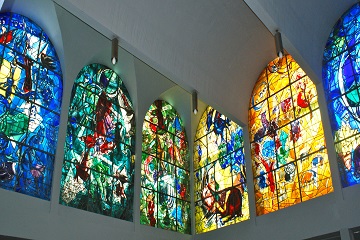
Началу конгресса предшествовало посещение Иерусалимского университета Хадасса (Израиль), входящего в десятку лучших в мире. Одним из инициаторов его создания был Альберт Эйнштейн.
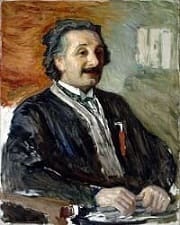
Альберт Эйнштейн посетил Эрец Исраэль в 1923 году с целью помочь Хаиму Вейцману продвинуть создание Еврейского университета. В одной из комнат единственного дома, доступного тогда университету, на горе Скопус, Эйнштейн прочитал лекцию о Теории относительности по-французски, вступительная часть его лекции прозвучала на иврите.
Альберт Эйнштейн завещал Еврейскому университету все свои письма и рукописи, а также права на коммерческое использование своего образа и имени.
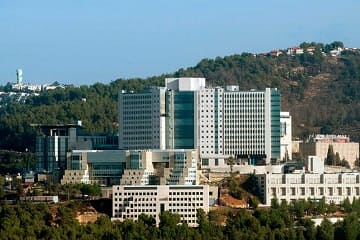
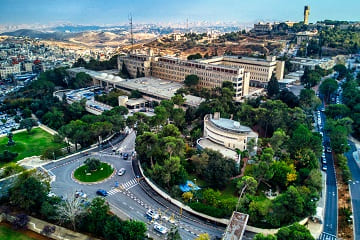
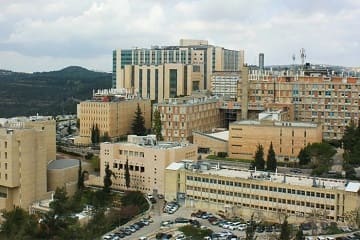
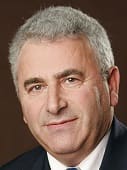
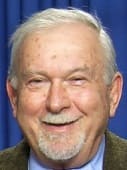
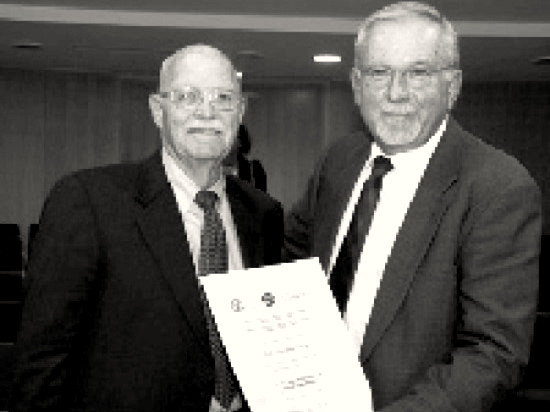
В первый день состоялось открытие нового Центра седации и обезболивания в стоматологии университета Хадасса. Гостеприимными хозяевами были декан стоматологического факультета профессор Адам Штабхольц и заведующий кафедрой медицины полости рта Элиэзер Кауфман — наш добрый друг и коллега.
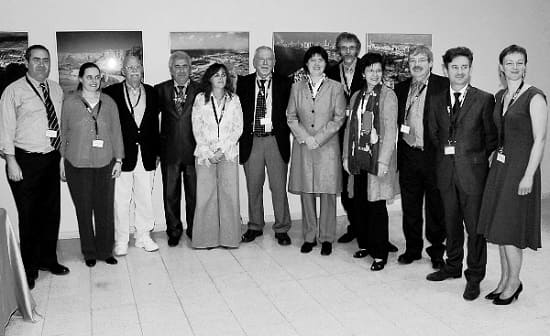
Мероприятие объединяло открытие нового центра седации и анестезии в стоматологии при Еврейском университете — Стоматологической школы Хадасса Медицина в Иерусалиме и научную программу в Герцлии. Тридцать четыре гостя из Германии, Франции, Англии, Шотландии, России, США и Португалии совершили эту специальную поездку, чтобы принять участие в мероприятиях, прочитав лекции и представив постерные доклады. К ним присоединились многие израильские коллеги.
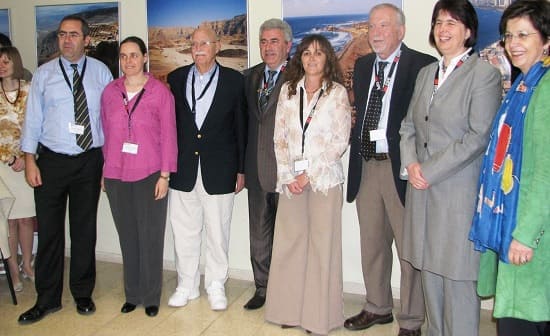
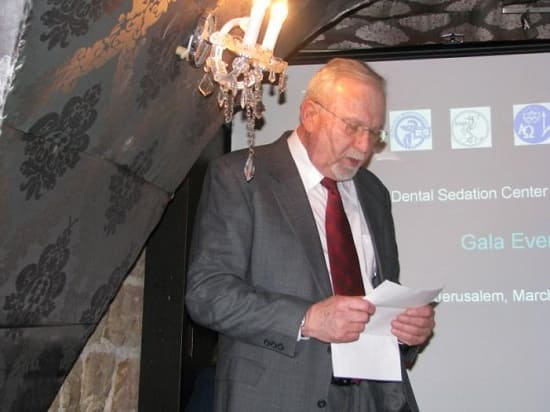
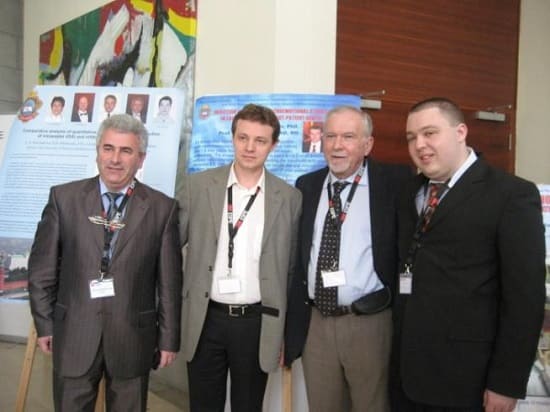
В своём выступлении профессор Adam Shtabholz рассказал о стоматологической школе Университета Хадасса, старейшей и крупнейшей из двух стоматологических школ в Израиле, и особенно поблагодарил зарубежных гостей и участников этой Израильско-европейской научной встречи ...
Dear Friends and Colleagues,
On behalf of our Faculty of Dental Medicine, it is indeed a great pleasure for me to welcome you today to Jerusalem and to our dental school….
For you who are visiting us for the first time on the occasion of the Israeli-European Scientific Meeting on Sedation in Dentistry, I would like to say a few words about our dental school, the oldest and largest of the two dental schools in Israel. This year we celebrate our 55 years of existence, which was made possible due to a joint initiative of the Hebrew University–Hadassah Medical Organization and the Alpha Omega Dental Fraternity.
Ten years ago on one of the floors in our new wing, we established a Center for Dental Implantology. Two years ago when the plans for the additional two floors were discussed, it was only reasonable to allocate the necessary space towards establishing a Center for Aesthetics in Dentistry and a Center for Sedation and Anesthesia in Dentistry.
The venue of the center that you will see today will allow us to move one step forward to accomplish our objective to provide the best possible service for our patients, the most beneficial education for our students, and to contribute to the field of research associated with this important area.
I would like to take this opportunity to thank Hebrew University–the Hadassah Medical Organization and the Alpha Omega Dental Fraternity who were instrumental in helping us build the two new floors which house this new center as well as several educational and research facilities and the Heritage Legacy Auditorium, where we are now.
We would especially like to thank those visitors from abroad who are with us today, despite the news you hear regarding the situation in the southern part of Israel and neighboring Gaza. Yesterday, I spent the day in the town of Sderot, providing free dental care to the inhabitants of this bombarded town. A program that was initiated and implemented by our dental school. This is the strange mosaic, which our life here is made up of. On one hand, we proudly open a state-of-the-art center for sedation, while on the other hand we travel to aid a troubled town.
And, of course last but not least, I would like to commend Professor Kaufman who has definitely been the driving force behind the establishment of the new center. I would also like to thank the center's mother, the Department of Oral Medicine, for all of their assistance. I will end with our traditional blessing:
‘May you go from strength to strength.’
Prof Adam Stabholz, Dean
Почётным гостем конференции был профессор Norman Trieger, почётный заведующий кафедрой стоматологии Медицинского центра Монтефиоре и Медицинской школы Альберта Эйнштейна, бывший президент Американского стоматологического общества анестезиологии (ADSA). В своём выступлении он представил краткую историю применения седативных средств и анестезии в стоматологии ...
Dear Friends and Colleagues,
The annals of recorded history cite the first anesthesia to have been given over 5768 years ago: “And the Lord caused the man to fall into a deep sleep…” (Genesis/Bereshit 2∶21), detailing the first thoracoplasty and arrival of a helpmate for Adam.
We assume that unconsciousness was needed to avoid the pain and anxiousness of the surgery. With a similar aim we, as healers in Dentistry and Medicine, seek to provide treatments while minimizing discomfort. We teach dentists how to manage their patients' concerns, both physical and mental. What a marvelous educational opportunity the teaching of pain and anxiety provides. It offers the chance to integrate the basic sciences into a more meaningful curriculum: Anatomy, Cardiorespiratory and Neurophysiology, Pharmacology and Psychology all find their roles and reason when applied to patient management. Safety and satisfactory care are enhanced.
Over the millennia pain relief was sorely lacking until the middle of the 19th century when two dentists developed inhalation agents capable of obtunding pain. Horace Wells introduced nitrous oxide and William T.G. Morton demonstrated ether to be efficacious, while James Simpson, an obstetrician, used chloroform. Then, the parade of anesthetic agents began with a growing concern for efficacy, safety, and control.
We learned to administer newer sedative and inhalation agents such as halothane, and sevoflurane; intravenous drugs such a pentobarbital, diazepam, midazolam, as well as pentothal, methohexital, and propofol. Opioids such as meperidine, fentanyl, and others were added as adjunctive medications. Effective antagonists became available to reverse narcotics and benzodiazepines, providing better control when indicated.
Another remarkable advancement has been made in monitoring our patients with the use of continuous cardiorespiratory equipment such as automated blood pressure, pulse oximetry ECG, end-tidal CO2 and we expect newer devices to soon measure central nervous system depth and depression of the brain as well.
When dealing with moderate sedation we continue to use the conscious patient's response to question and command to obtain cooperation and tranquility, especially in the case of dental treatment where effective local analgesia obtunds pain. In my 55 years of practice I have learned two important principles: each individual being treated is unique and defies the concept of “average” dose or “mg/kg.” This leads to the second principle which relies on “titration” and the ability to rapidly assess sedative effects and patient cooperation. Sedation is a conscious technique; it requires that the team maintains an atmosphere which is reassuring.
While a great majority of patients can be treated with sedation, a small percentage will need general anesthesia, and this modality should be made available. The use of deep sedation/general anesthesia requires further advanced education and training of the dentist and physician. Periodic emergency drills involving all office personnel are helpful in learning how to manage unanticipated responses.
We have progressed very well over the past one and a half centuries in developing better methods of controlling pain and anxiety. I look forward toward newer methods of achieving even better control. Allow me to look into the future: perhaps WITHOUT the use of drugs, it may one day be possible to identify those specialized areas in the brain which emit at a specific frequency and transmit to adjacent synapses. We will develop mechanisms with the aid of nanotechnology to scan these frequencies and use transponders to intercept these signals, providing a readily reversible and controllable cessation of pain impulses. Shutting off the input from the transponder will completely restore the original neural status without lingering side effects.
I applaud the efforts of the Hadassah School of Dental Medicine for establishing a Center for Sedation. It will serve to educate, to conduct clinical research, and to provide for patient care. Dr Eliezer Kaufman deserves special recognition for his creative efforts in bringing this Center to fruition after many years of determined teaching and practice.
Finally—I end my remarks by citing an important blessing to observe this event: “Blessed are you, God, King of the Universe who has granted us life, sustained us, and enabled us to reach this moment in our lives.”
Prof Norman Trieger
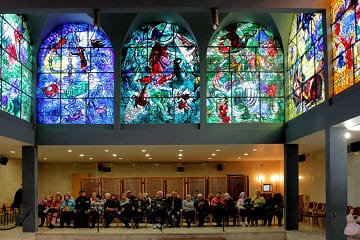

После церемонии открытия и экскурсии Dr. Wolfgang Jacobs (Германия), бывший президент EFAAD и IFDAS, прочитал основную лекцию на тему контроля боли и тревожности в стоматологии Modern Local Analgesia with Articaine – clinical and pharmacological Considerations ...
Вечером было организовано научное совещание за круглым столом с участием Dr. Sharon Elad (Израиль), на котором были представлены результаты недавно завершённого исследования “Влияние местной анестезии артикаином в сравнении с лидокаином на сердечно-сосудистую систему у пациентов с заболеваниями сердца: проспективное рандомизированное двойное слепое исследование”. (The cardiovascular Effect of Local Anesthesia with Articaine plus 1 : 200,000 Adrenaline versus Lidocaine plus 1:100,000 Adrenaline in medically compromised cardiac Patients: a prospective, randomized, double blinded Study / Dr. Sharon Elad, Prof. Eliezer Kaufman) ...
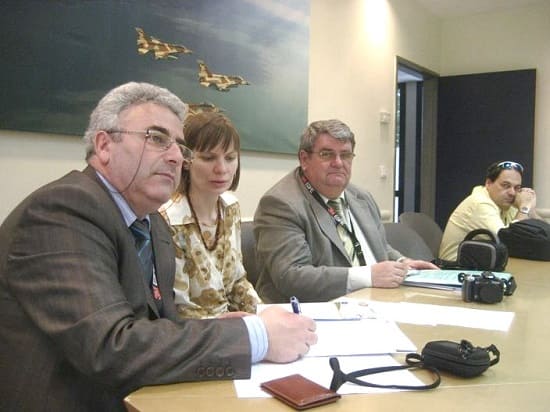
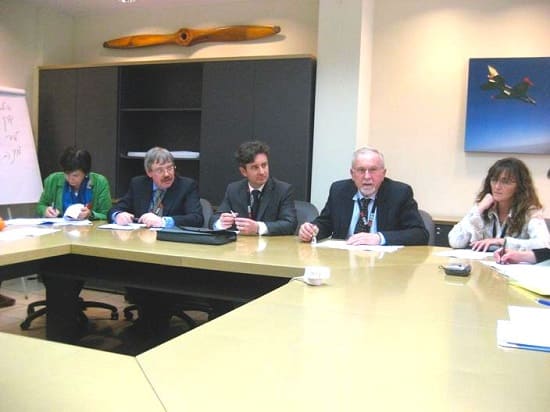
В пятницу, 28 марта, в Герцлии состоялась научная встреча, которая состояла из современных лекций на тему борьбы с тревогой и болью. Цель этих двух мероприятий — поделиться знаниями и опытом, приобретенными в области контроля тревожности и боли, с стоматологами, которые каждый день сталкиваются с проблемами ведения пациентов. Это цель наших обществ.
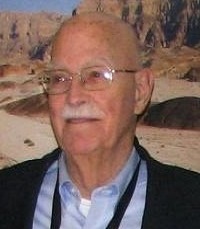
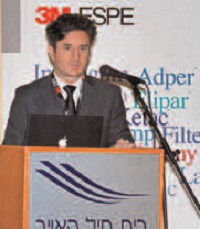
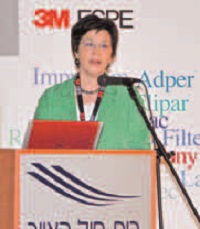
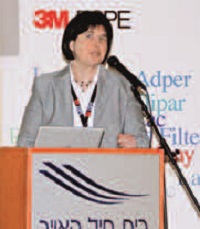
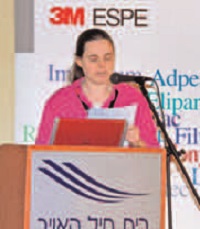
В своём докладе The Wonders of Sedation о чудесах седации поведал участникам конференции наш друг – успешный врач и активный деятель EFAAD Dr. Jean-Frederic Andre (Франция) ...
Наши коллеги из Нидерландов Elinor C. M. Bouvy-Berends, D.D.S и Dr. Jeroen W. B. Peters, PhD представили обширный доклад Assessing Pain in Children with cognitive Impairment in relation to Oral Health Care ...
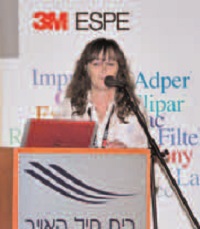
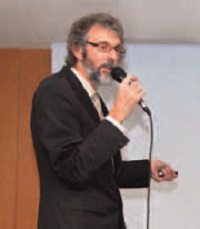
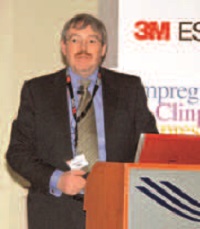
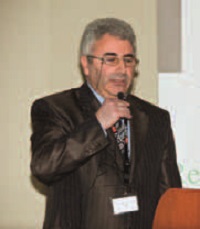
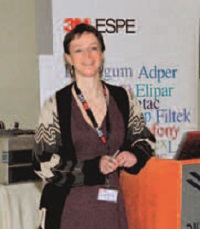
О новых технологиях и препаратах для совершенствования местного обезболивания рассказала Dr. Dr. Monika Daubländer (Германия) в своём выступлении New Technology and a new Drug for improved Local Anaesthesia ...
Does Granisetron eliminate the Gag Reflex? Ответить на этот вопрос по результатм перекрестного, двойного слепого, плацебо-контролируемого пилотного исследования попытались Dr. Silvina Friedlander-Barenboim, Prof. Eliezer Kaufman а также DMD student, Hadassah School of Dental Medicine, V. Dvoyris (Израиль) ...
Вопросы седации у сложных пациентов в докладе Sedation for Medically Complex Patients рассматривал Dr. Nigel D. Robb (Великобритания) ...
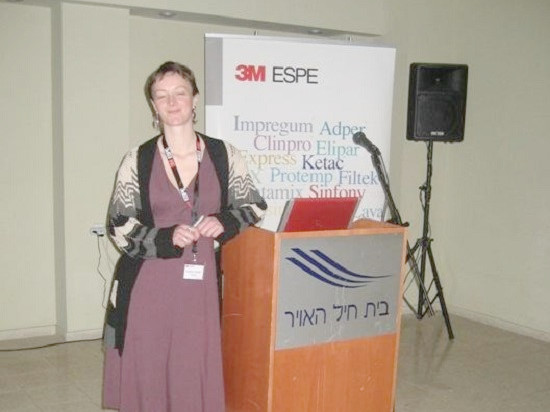
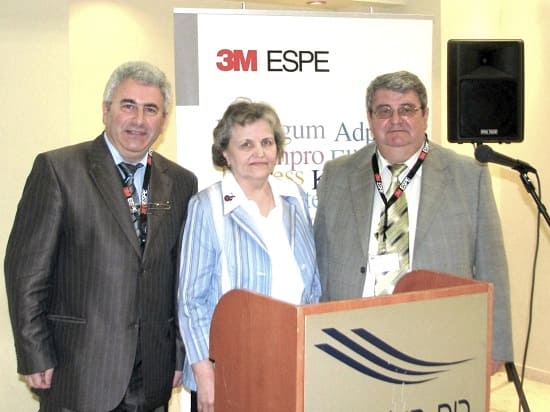
Профессор С. А. Рабинович (Россия) выступил с докладом “Современные тенденции в обезболивании в стоматологии в России” (Modern Choice of Pain Control in Russian Dental Practice) / профессор С. А. Рабинович, профессор С. Т. Сохов, доцент Е. В. Зорян ...
Профессор С. А. Рабинович (Россия) — презентация к докладу Modern Choice of Pain Control in Russian Dental Practice ...
Просто, разумно и безопасно: здравый подход Dr. Andrea Wraith (Великобритания) к неотложной медицинской помощи в стоматологической хирургии. Тезисы доклада Simple, Sensible and Safe: A common Sense Approach to medical Emergencies in the dental Surgery ...
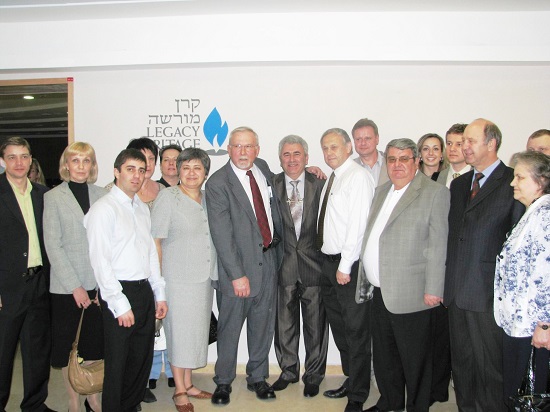
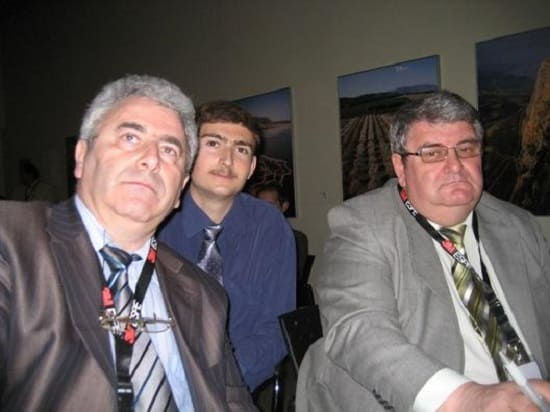
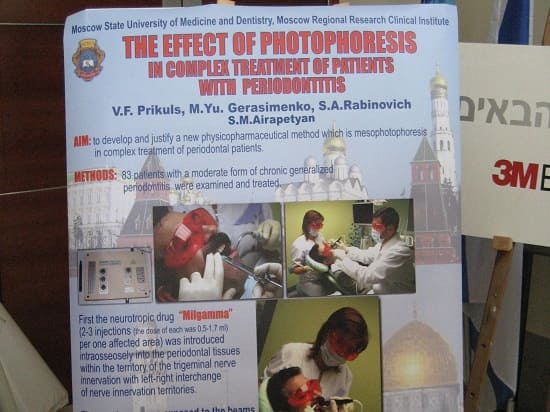
Впервые делегация из России была такая многочисленная. Посмотрите сколько на фотографиях молодежи — аспирантов и научных сотрудников. Они были авторами и соавторами постерных докладов, в обсуждении которых принимали участие звезды европейской стоматологии и анестезиологии. Сам конгресс проходил в курортном городке Герцлия. Программа была интересная и насыщенная, а после 1.5-2 часов работы вкусная и полезная пища. Я согласен с шуткой, что еда — вид спорта в Израиле.


По окончании заседаний нас ждало незабываемое путешествие по Земле Обетованной - старый город Яффа ...

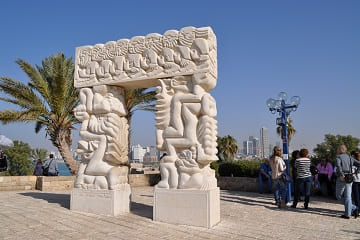
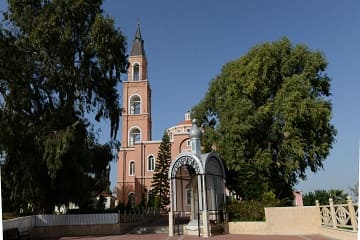
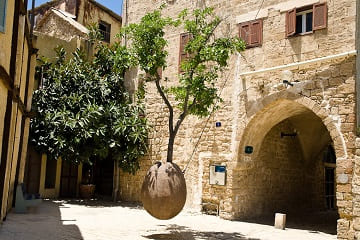

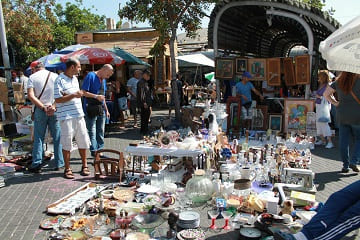
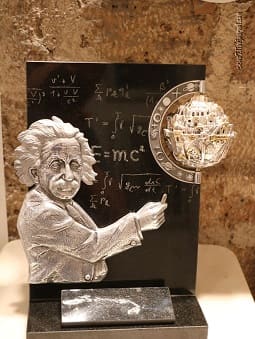
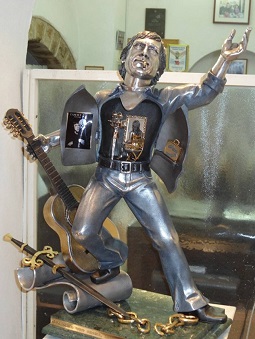
... необыкновенная галерея Франка Мейслера, что находится на одной из зодиакальных улочек старой Яффы ...
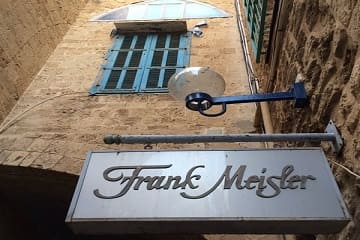
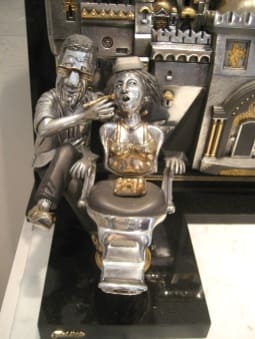
Здесь можно увидеть множество его интерактивных скульптур, созданных из необычного сплава бронзы, серебра и золота. Причем необычные, «живые» произведения искусства можно потрогать, узнав, как выглядит муза внутри у Пикассо и какие секреты «прячет» Царевна-лягушка. Сам автор называл это, "открытие и закрытие дверей жизни".
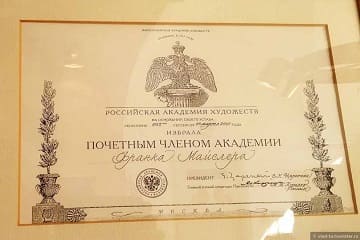
Помимо персональных выставок и аукционов в известнейших галереях мира, постоянные экспозиции произведений Мейслера находятся в его галереях в Иерусалиме, Лондоне, Брюсселе, Франкфурте, Майами, Нью-Йорке, Сан-Хуане, Москве. Его монументальные работы установлены по всему миру. Его скульптурными группами украшен Шекспировский театр в Стрэтфорде. Франк Мeйслер является автором мемориальных комплексов в Вашингтоне, Майами. Им выполнено оформление комплекса на Поклонной горе в Москве.
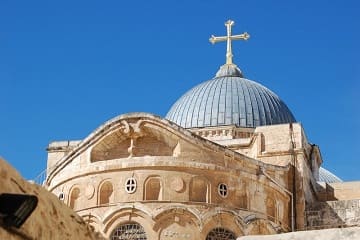
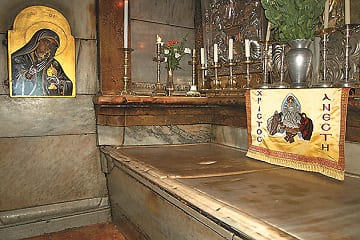
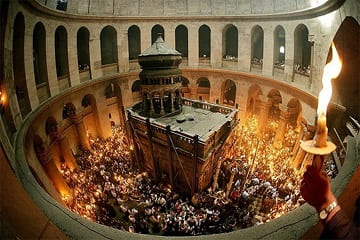
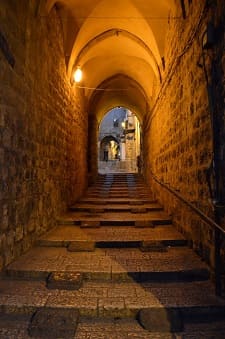
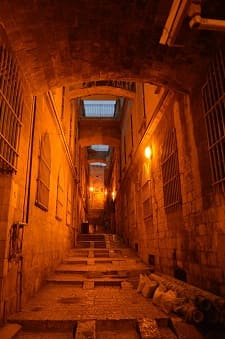
... Иерусалим с храмом Гроба Господня, улицей Виа Долороза, Стеной Плача; ...





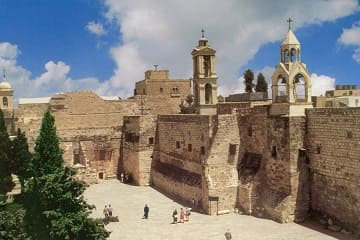
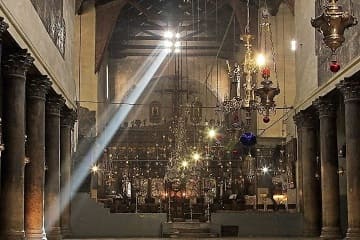
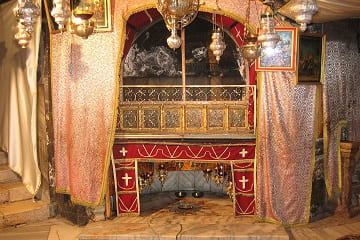
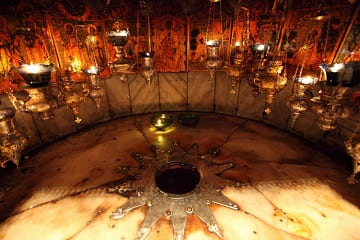
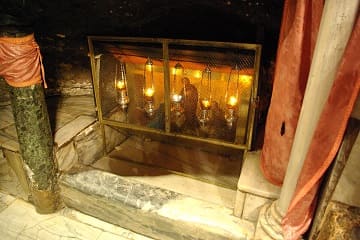
... Базилика Рождества Христова в Вифлееме, ...
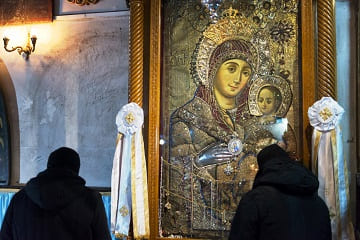
... легендарная священная река Иордан ...
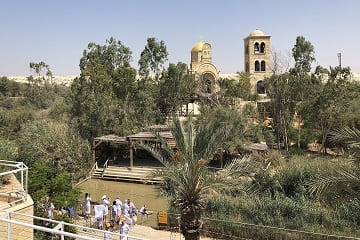
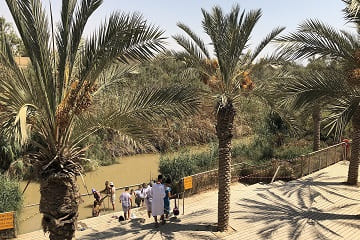
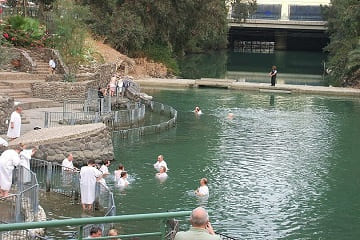
... и самое необычное Мёртвое море. ...


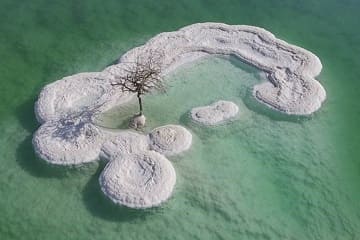
... Ещё раз убедились, что классный гид – половина путешествия. Нам с гидом повезло. Сказывалось его университетское образование культурной столицы России.
Вот и завершила свою работу Европейская научная конференция EFAAD, Иерусалим – Герцлия, Израиль, однако, наше повествование продолжается. Следующая 7-я глава будет посвящена XII конгрессу IFDAS. Пятый континент. Москва – Сингапур – Бриcбен – Золотой берег (Австралия).
Не могу удержаться, чтобы не процитировать в вольном переводе красивое приглашение на эту встречу главного редактора Anestesia Progress Joel M. Weaver:Мы с нетерпением ждём 12-го конгресса IFDAS, который состоится 14-17 октября 2009 года в новом выставочном центре Gold Coast Convention Centre, расположенном в Бродбиче, на Золотом побережье Квинсленда. Пляж в этом месте считается одним из лучших в мире. Вы также можете съездить в Сидней, чтобы посетить представление в его великолепном оперном театре и всемирно известном зоопарке, проехать по захватывающей дух ‘Великой океанской дороге’ в Аделаиду или отправиться в глубинку, чтобы увидеть Улуру (Айерс-Рок) на рассвете. Ваш редактор посетил все эти места и может подтвердить, что вы по-настоящему не жили, пока не увидели Австралию. Уже не слишком рано начинать строить планы по участию в 12-м конгрессе IFDAS в 2009 году.
Joel M. Weaver, DDS, PhD, Editor-in-Chief
по современному обезболиванию
октябрь 04-07 2006. Йокогама, Япония.

14-17.10. 2009. Голд Кост, Австралия.
