IFDAS. 11-й Международный конгресс по современному обезболиванию в стоматологии. Октябрь 04-07, 2006 Йокогама, Япония.
ХI Конгресс Международной федерации анестезиологических стоматологических обществ. Место проведения - загадочная и нам тогда малознакомая страна Восходящего Солнца.
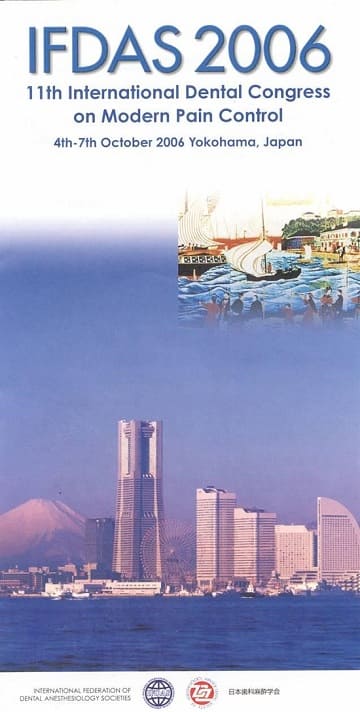

Дентальная анестезиология позиционируется как независимая область в стоматологической науке, которая специализируется на контроле боли, снятии беспокойства и контроле безопасности при лечении зубов и челюстно-лицевой хирургии. В Японии во всех стоматологических школах есть кафедра стоматологической анестезиологии, которая отвечает за обучение студентов-стоматологов по стоматологической анестезиологии, проводит базовые и клинические исследования в области стоматологической анестезиологии и предоставляет клинические специфические методы лечения в университетской больнице.
В Японии стоматолог-анестезиолог широко известен как стоматолог, специализирующийся на анестезиологической помощи в стоматологии, клинике лечения боли и неотложной помощи, а также предоставляющий общую анестезию, внутривенную седацию и ингаляционную седацию стоматологическим пациентам.
Японское стоматологическое общество анестезиологии призвано планировать прогресс и развитие исследований, медицинских обследований и образования в области стоматологической анестезиологии.


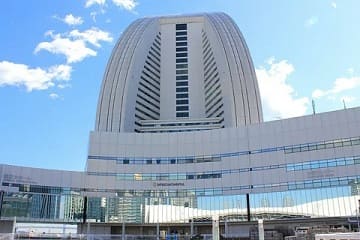
Выставочный комплекс "Пасифико Йокогама" является одним из крупнейших многофункциональных комплексов для проведения выставок и различных значимых мероприятий. Он включает конференц-центр вместимостью 3000 человек, выставочный зал, оснащенный самым современным выставочным оборудованием площадью 20 тысяч квадратных метров, отель Yokohama Grand Inter-Continental и Национальный зал собраний на 5000 мест, который является одним из самых крупных в мире.
Открывая Конгресс, с программным докладом The Essential Role of Dental Anesthesiology in the 21st Century — Safe and Comfortable Dentistry выступил президент Конгресса, ректор Токийского стоматологического колледжа профессор Yuzuru Kaneko.
Тезисы доклада The Essential Role of Dental Anesthesiology in the 21st Century — Safe and Comfortable Dentistry / Yuzuru Kaneko, DDS, PhD, Dean, Tokyo Dental College, Japan.
There is no global standard for the concept of dental anesthesiology. The definition of the specialized field of dental anesthesiology differs among the countries of the world depending on educational curricula and laws. For this reason, I will begin this lecture with a brief summary of the dental medical system and undergraduate education in Japan. I would then like to talk about the roles that dental anesthesiology should play in dentistry in the future.
Japanese schools of dentistry have set up departments of dental anesthesiology in the same way that they have departments of orthodontics, prosthodontics, and oral surgery: that is, based on authorization by the Ministry of Education, Culture, Sports, Science, and Technology. The dental anesthesiology departments are organized in such a way that the staff is engaged in student education, research, and clinical practice in hospitals. Dental anesthesiology is thus an independent, specialized, and systematic academic discipline, and it functions as a core department at dental hospitals.
The educational curriculum for students of dental anesthesiology consists of general management, methods of anesthesia (local anesthesia and general anesthesia), sedation, emergency treatment procedures, cardiopulmonary resuscitation, and treatment of orofacial pain. This educational curriculum mirrors precisely clinical practice in departments of dental anesthesiology.
The Japanese Dental Society of Anesthesiology was established in 1972, and now has over 2000 members. The Society has systems for accreditation of dental anesthesiology and the specialty of dental anesthesiology. There are currently 800 accredited dental anesthesiologists and 200 specialists in dental anesthesiology. It became legal to use the phrase ‘‘specialist recognized by the Japanese Dental Society of Anesthesiology’’ in advertisements from July, 2006. Other specialists include those in oral surgery, periodontics, and pediatric dentistry. It is hoped that many other specialized academic societies in dentistry gain accreditation from the Ministry of Health, Labor, and Welfare. The practice of dental anesthesiology as a clinical specialty is chiefly performed at hospitals associated with schools of dentistry. Only a small number of Society specialists work at general hospitals, where they treat dental patients as specialized anesthesiologists, although there are no departments of dental anesthesiology at these hospitals. There are dental centers around the country run by local dental associations and financially supported by local municipalities for the purpose of dental treatment for the disabled, home-bound elderly, and other such pa- tients. Society specialists and accredited dental anesthesiologists perform general management and sedation through monitoring to ensure the safety of high-risk patients for medical emergencies at such centers. Many anesthesiologists accredited by the Japanese Dental Society of Anesthesiology practice general dental medicine at their own clinics.
In Japan, dentists are only permitted to administer general anesthesia to dental patients. The reason dental anesthesiology departments were established at schools of dentistry was that oral surgery could be performed under general anesthesia administered by a dentist. This was roughly 40 years ago. However, since the range of applications to dental patients of the knowledge and techniques of general anesthesia is extremely broad, the scope of practice of dental anesthesia has also broadened in accordance with the needs of dental outpatient departments in university hospitals. These include, for example, general management through monitoring to prevent emergencies in medically compromised patients (194 cases), relief of anxiety and tension as well as behavioral control for the disabled through intravenous sedation (1634) cases, day anesthesia mainly for dental treatment for the disabled (143 cases), in-hospital emergency treatment procedures (180 cases in 10 years), and procedures in pain clinics (2512 cases). The figures in parenthesis refer to the number of cases per year at Tokyo Dental College Chiba Hospital.
There are also 800 cases of use of general anesthesia per year, mainly for oral surgery, at that Hospital.
As I’m sure you know, the proportion of the elderly in the general Japanese population is large and growing at an incredible rate. One goal of the dental care policy of the Ministry of Health, Labor, and Welfare is to maintain 20 teeth at the age of 80. This policy has been in place for 20 years now, and the percentage of elderly individuals who have retained their own teeth is on the rise, and for this reason, an increasing number of the elderly receive dental treatment. Dental treatment for medically compromised patients, particularly those with high blood pressure, ischemic heart disease, and cerebrovascular disease, which are particularly prevalent in Japan, is increasing in frequency. A simple dental procedure could become a stressor that proves fatal to these patients, meaning that prevention of medical emergencies, risk evaluation, and general management are increasing in importance.
In a nationwide study of medical emergencies in dental patients in Japan, it was reported that stressors caused by pain and tension were the main sources of danger to dental patients. If effective general management can be performed by minimizing fluctuations of autonomic nervous system activity due to pain and tension, then, with the exception of acute systemic illnesses, there will be no contraindications to dental treatment, even in high-risk patients. The anesthetic and physiological effects of local anesthesia with vasoconstrictors, cardiovascular fluctuations and their reduction through intravenous sedation during dental treatment, the cardio-respiratory effects of sedation, the differences in the process of recovery associated with different methods of sedation, criteria for discharge from the dental office, etc., are all important themes of research in dental anesthesiology, and continuous research is required for every new drug introduced. Since everyday clinical practice must be based on the results of research, i.e. evidence-based medicine, one of the advantages of having a dedicated department is that research, education, and clinical practice can proceed in unison.
The pursuit of safety and comfort in dental treatment is the basic driving force behind increasing the level of quality of dentistry. As persons involved in dental anesthesiology, I believe that our role is to achieve high degrees of specialty for this purpose, whether it is in constructing systems of research, education and training, or general anesthesia, intravenous sedation, pain clinic duties, general management of high risk patients, or other aspects of clinical practice. It is certain that the role of dental anesthesiology will grow in importance in the future in Japan in proportion to the expected in- crease in need for dentists for oral health care for terminal patients in hospitals and homes.
I believe that responding to the current desires of people regarding dental medicine from the standpoint of dental anesthesiology will allow us to fulfill future roles as dental practitioners in the 21st century. Furthermore, I believe it is necessary to look again at the past, when 160 years ago the two American dentists Wells and Morton were the key players in the discovery of anesthesia. Painless and comfortable dental treatment is a hope that is common to everyone in the world, regard- less of nationality. I believe that cooperation that transcends national boundaries among those of us involved in dental anesthesiology, despite differences in systems of dental medicine or education, will be the major driving force that helps us propel dental medicine forward towards that common goal.
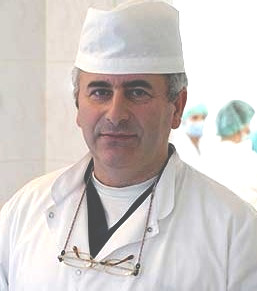
Наша кафедра являлась пионером разработки, внедрения и обучения современным технологиям обезболивания, а также профилактике и лечению неотложных состояний в амбулаторной стоматологии. На ее основе и была создана российская группа, которая принята в международные сообщества.
Эта группа расширялась. Появились региональные лидеры: доцент Столяренко П. Ю. (Самара) - первый Чемпион стоматологического мастерства в номинации «Обезболивание и оказание неотложной помощи», Спицын П. А. (в те годы он представлял Урал), профессор Лепилин А. В. (Саратов), затем присоединился профессор Ушницкий И. Д. (Якутск) и другие.
Большой доклад о состоянии обезболивания и седации в отечественной стоматологии, в который были включены данные Стоматологической ассоциации России, был представлен профессором С. А. Рабиновичем.
Тезисы доклада Sedation for Dental Treatment in Each Country: Guidelines and Legal Problems / Solomon Rabinovich, MD, PhD, Professor, Moscow State University, Russia.
Modern dentistry gives us a lot of opportunities to make various long-lasting and complicated dental or surgical interventions. But it is possible only through putting more perfect methods of pain control and sedation into dental practice. New highly effective local anesthetics and sedative medicines make most of the dental interventions painless that resulted in cutting twice the number of patients having anxiety, stress and fear. The annual attendance of dental clinics is over 150 million while Russia’s population is 143 million. Most patients feel anxiety or stress depending on their psychoneurological status, previous treatment experience and pain control effectiveness. In the clinics of Moscow State University of Medicine and Dentistry about 30% of patients are at risk for anesthesia, i.e. medically compromised people. And only good anesthetic resources let us in 99,2% of cases make dental interventions under local anesthesia combined with conscious sedation.
The importance of sedation is increasing while the number of stresses and medically compromised patients is rising. In 1986 the RF Ministry of Health decided (Order 841) to allocate special anesthesiologists (dental anesthesiologists) to dental clinics and Dentistry became the unique medical outpatient service in Russia with staff anesthesiologists. Today in the era of insurance medicine that is starting to be introduced in our country we are at pains to create a single standard of dental care. To pursue this goal it is essential to assess the clinical state of a patient and decide if it is possible for him/her to get outpatient treatment. Medically compromised patients should be referred to a multi-section clinic. So there is a need to take the case history thoroughly; assess a patient’s state; make laboratory analyses; sometimes refer a patient to other dental specialists or medical practitioners for advice; plan clearly the time and size of dental intervention based on the state of a patient; choose a suitable method of pain control and medicines providing sufficient safety, support- ing protective reflexes and maintaining dentist-patient communication; protect airway and control ventilation with a laryngeal mask in case of deep sedation. Organs and systems are controlled through monitoring cardio-vascular and respiratory systems.
Anesthetic resources of outpatient departments should ensure dentists to provide dental care as well as possible to avoid any compications resulted from adverse reaction to a dentist’s actions or concomitant diseases.
In Russia a dentist faces the task how to bring effective and safe treatment while using medicines, instruments and equipment provided by insurance medicine. Different definitions of ‘‘sedation’’, ‘‘deep sedation’’, ‘‘premedication’’, ‘‘sedalgoanalgesia’’, and ‘‘combined anesthesia’’ cause some difficulties. That’s why it is necessary to surmount terminological barriers.
There are various medicines in dental practice to pre- pare a patient to remove stress, anxiety and fear. Among all traditional medicines used for a patient’s preparation (psychotropic, analgetics, antihistamines, general anesthetics) the most widely spread in outpatient dental treatment are anxiolytics-benzodiazepines. But in our country since 2000 the use of anxiolytics in dental practice has been significantly limited by laws. So to seek new medicines and methods to correct psychoemotional condition during outpatient dental treatment is of high importance. Deep unconscious sedation is applied only for strict indications. To reduce the risk of complications in this case there is a need to spread modern inhalation (sevofloran, xenon) or noninhalation (propophol) medicines.
Promotion of new sedation technologies for pain control requires appropriate dental training of undergraduates and postgraduates. We have opened regional centres expanding knowledge and skills in modern pain control and sedation in Russia. The Russian Section of IFDAS summarizes and spreads scientific achievements, holds conferences, workshops, competitions and championships on pain control and first aid in outpatient dental treatment.
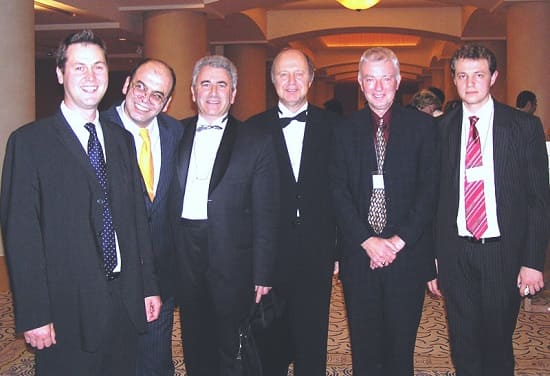
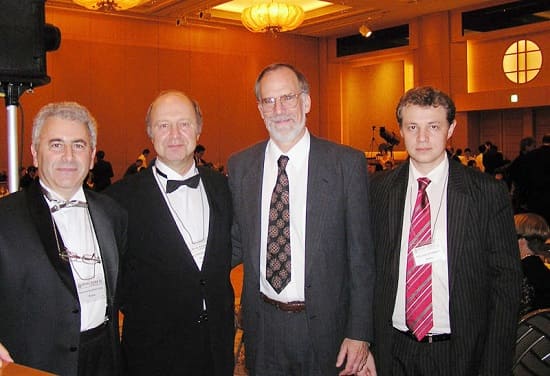
Рекомендации и юридические аспекты, связанные с проблемами обезболивания и седации в разных странах, в своих докладах также изложили профессор Wolfgang Jakobs (Германия), профессор Koh Shibutani (Япония), профессор Joel Weaver (США), доктор Jean-Frederic Andre (Франция), доктор Nigel Robb (Великобритания).
Тезисы доклада Sedation for Dental Treatment in Germany — Guidelines and Legal Problems / Wolfgang Jakobs, DDS, MD, Treasurer of IFDAS, Germany.
For modern dental therapy, dental and dental-surgical interventions (implantology, periodontology and esthetic restaurative dentistry) we see an increasing demand from patients and dentists for sedation-concepts in dental therapy.
Beside the university-clinics or hospitals with departments for oral surgery, sedation and general anesthesia were not available for dental procedures in Germany.
With an increasing number of oral and maxillofacial surgeons practicing in private clinics since the beginning of the 80’s, sedation and general anesthesia especially for dental-surgical interventions is now available throughout the country.
By law, dentists in Germany are entitled to perform all kind of therapy related to diagnosis and treatments of dental and dental-surgical interventions.
Beside other groups of health professionals, like plastic surgeons, dermatologists or specialists for internal medicine, dentists can administer sedative analgesia-techniques according to scientific and professional standards.
Training programs in sedation are established in undergraduate and postgraduate courses. The training-program, guidelines and standards are based upon the recommendations for non-anesthesiologist-sedation procedures.
For non-anesthesiologist-sedation procedures the level of sedation should provide a margin of safety, that patients can respond throughout the procedure and that a loss of consciousness or a loss of protective reflexes can be avoided.
The guidelines for sedation include recommendations for monitoring, postoperative care, discharge emergency procedures and for the auxiliary staff involved in the dental therapy and the sedation procedures.
Sedation for dental treatment with exception for handicapped patients and patients with dyskinesia is not covered by the public health insurance and must be paid by the patients on private base.
Private health insurances cover the costs for dental treatment under sedation.
The ‘‘German Association of Oral Surgeons—BDO’’ provides postgraduate courses in sedation (both basic courses and advanced techniques). The curriculum for intravenous sedation established by the BDO is offered for dental practitioners and oral surgeons. The program is accepted by the German Dental Council and the regional dental associations.
Тезисы доклада Sedation for Dental Treatment in Each Country: Guidelines and Legal Problems—Japan / Koh Shibutani, DDS, PhD, Professor, Nihon University, Japan.
Introduction and Definition. Sedation for dental procedures (with or without local anesthesia) includes the administration by any route or technique of all drugs which result in depression of the central nervous system. The objective of these techniques is to produce a degree of sedation of the patient, ‘‘conscious sedation’’ so that uncomfortable procedures may be facilitated. The drugs and techniques used should provide a margin of safety which is wide enough to render loss of consciousness unlikely. Loss of consciousness constitutes general anesthesia and carries specific risks. The level of sedation must be such that the patient remains conscious and is able to understand and respond to verbal commands, retains protective reflexes. Deep sedation in which these criteria are not fulfilled must be regarded as general anesthesia.
Drugs Used for Sedation. The result of the questionnaire survey, the most common intravenous agents used are small doses of a benzodiazepine or intravenous anesthetic, Midazolam was used most abundantly in 84.1%, and it was the next, propofol was 56.5%, and diazepam 24.5%. A small doses of opioid (such as fentanyl, pentazosine) used for analgesia.
Monitoring. All patients undergoing intravenous sedation must be monitored continuously with pulse oximetry and this equipment must alarm when certain set limits are exceeded. There must be regular recording of pulse rate, oxygen saturation and blood pressure. According to the clinical status the patient, other monitors such as ECG for patients with significant cardiovascular disease or capnomonitor may be required. A stethoscope is the simplest, and it may be a necessary and important monitor.
The Japanese Dental Society of Anesthesiology (JDSA).The Japanese Dental Society of Anesthesiology (JDSA). The first JDSA was established in 1973 by Dr. Y. Kubota and eight physicians. The JDSA in 2006 now numbers 2,162 members. The system of Japan Board Dental Anesthesiologist (JBDA) began in March, 1977. The number of members in JBDA is 883 in 2006.
Postgraduate Training of the Curriculum. 1. Preoperative evaluation and clinical management of patient 2. Regional anesthesia, general anesthesia, and seda tion. 3. The clinical management of cardiopulmonary resuscitation. 4. Pain management, general anesthesia of day procedure (surgery).
Completion details of training curriculum is the following: 1. Postgraduate training of the JBDA consists of over 2 years of supervised experience in an approved program. 2. The experience is demonstrated by the provision of 200 cases of the general anesthesia over a period of two years by JBDA. 3. The provision of 50 cases of the basic intravenous sedation techniques over a period of three years. 4. The general anesthesia experience of operation with cleft lip, alveolus and palate, jaw, neck dissection, and handicapped dental treatment are desirable. 5. The renewal system of every five years is necessary.
Тезисы доклада Sedation for Dental Treatment in the United States: Guidelines and Legal Problems / Joel Weaver, DDS, PhD, Professor, The Ohio State University, USA
In the United States ‘‘sedation’’ means a depression of the central nervous system (CNS) that can range from minimal to so deep that the patient may occasionally be unresponsive. Since individual state dental boards regulate dentistry, sedation laws vary considerably among the 50 states.
The American Dental Association (ADA) provides guidance to states to adopt standards for teaching sedation (Guidelines for Teaching the Comprehensive Control of Anxiety and Pain in Dentistry) and for the practice of sedation (Guidelines for the Use of Conscious Sedation, Deep Sedation and General Anesthesia in Dental Practice).
Anxiolysis, the lightest level of sedation, is usually attained with low concentrations of nitrous oxide or a small dose of an oral benzodiazepine. Patients typically do not develop slurred speech or loss of short-term memory. The ADA guidelines do not suggest additional training to provide anxiolysis and dental boards generally do not require special licenses. A few require training and licensure to administer nitrous oxide or to give oral anxiolytics to young children.
Conscious sedation is an extension of anxiolysis by increasing the dose or combining several sedative medications. Patients frequently demonstrate slurred speech, amnesia and ataxia when consciously sedated, yet they retain the ability to maintain their own airway and respond to commands. The ADA guidelines recommend that dentists complete a conscious sedation course consisting of both didactic and clinical experience to produce competency as judged by their instructor. In addition to proper preoperative evaluation, the dentist must have an assistant in the operatory during a sedation. They also recommend pulse oximetry and continual measurement of blood pressure and heart rate. For medically compromised patients, continuous ECG monitoring is recommended. They recommend completion of a time-oriented sedation record that includes vital signs and the names and doses of drugs ad- ministered. They also suggest post-sedation monitoring until the patient meets discharge criteria. Finally the guidelines discuss the need for current basic life support training and appropriate emergency equipment and drugs. Dentists must have training and a sedation license to administer parenteral conscious sedation in essentially all states. In-office examination of the dentist is often required. Oral sedation has been unregulated, but many states are passing legislation to require training to administer oral conscious sedation because some dentists with substandard training and equipment are stacking multiple large doses of oral sedatives over short periods of time to produce deep sedation.
Deep sedation is an extension of conscious sedation where the patient may occasionally become unconscious and require airway support. General anesthesia training is recommended for dentists to administer deep sedation. The same universally-accepted monitoring standards for general anesthesia and the presence of two assistants are recommended for deep sedation.
Legal problems from sedation are rare but typically result from complications of over-sedation by practitioners who failed to recognize, diagnose and manage the unconscious patient and resulting airway obstruction or apnea. Nearly 50% of U.S. oral surgeons use a steel needle butterfly, often without a continuous drip, rather than a flexible intravenous catheter. Infiltrations and even a few intra-arterial injections have resulted in legal complications from chronic pain syndromes and amputations. Overdoses of local anesthetics, particularly in children, combined with sedatives have also resulted in mortality and subsequent legal problems.
The ADA is considering a total re-write of their sedation/anesthesia teaching and practice guidelines to coincide with the changes in drugs and techniques that have evolved since they were first written.
Тезисы доклада Dental Anesthesiology in France / Jean-Frederic Andre, EFAAD (European Federation for the Advancement of Anesthesia in Dentistry), France.
Patient management in France is somehow a victim of our Latin culture, where pain has long been considered a normal and expected consequence of disease. Finding an appropriate translation for patient management in French still is a challenge.
So much for the caricature. Times are slowly changing.
All aspects of local anesthesia are covered within the dental school graduate cursus. Pain control in dentistry is beginning to be a concern.
Sedation techniques are taught in a recently created (2002) post-graduate tuition named: University Diploma of Conscious Sedation for Dental Treatment.
The one-year cursus consists of 120 hours of teaching including about half lectures and half clinical practice. Among the subjects treated are: definitions of sedation and anesthesia, pharmacology of sedatives, description of pain and anxiety, indications. However, nitrous oxyde sedation holds the main role, and mainly for special needs patients. Setting up an everyday, pain-control dedicated, private practice in outpatient treatment using sedation still is problematic: the main obstacle being the impossibility to find modern sedative drugs for the dental office. Fortunately, Europe is a reality, and enables those daring to travel to extend their knowledge, practice and competence in patient management. The UK offers convenient IV sedation courses within an hour’s flight, and a world-class faculty. EFAAD, the European Federation for the Advancement of Anesthesia in Dentistry gathers as many components available on the continent. Information and experience are shared, in English.
In conclusion, enjoying a modern dental practice in France, involving the latest and safest patient management techniques is a possibility for the practitioner. However, France alone does not yet offer all the keys.
Тезисы доклада Training for Pain and Anxiety Control in Dental Schools in Europe / Nigel Robb, BDS, PhD, Senior Lecturer, University of Glasgow, UK.
Introduction. Pain and anxiety control is a fundamental part of the practice of dentistry. This can be accomplished in a variety of pharmacological and non-pharmacological techniques. Recent changes in legislation within the European Union (EU) have lead to greater freedom of movement of workers between countries within the EU. This fact coupled with a well-publicised shortage of dentists in the United Kingdom (UK) has lead to an influx of foreign dental graduates into the UK. In any country patient expectation and demands for postgraduate education depend on the expectation of what dentists should be able to provide and the education received by dental students whilst at university. Dis- parities between dental graduates education may cause problems in the delivery of service and the provision of postgraduate education. The aim of this study was to assess the differences in dental education between countries in Europe to establish whether there were significant differences between the countries.
Materials and Methods. A questionnaire was devised and distributed to all the Council Members of the European Federation for the Advancement of Anaesthesia in Dentistry (EFAAD) with the request that they be distributed to all the Undergraduate Dental Schools in that Country. Completed questionnaires were to be returned to the EFAAD reps prior to central collection. The analysis would be a qualitative analysis of the dif ferences in education in the different countries.
Results. The expectations of the dental graduate vary greatly between the countries in Europe. There is little consensus on the teaching of pain and anxiety control in terms of the methods that are taught or the location of the teaching within the course. There is little consensus regarding what is part of dentistry, with different interventions being permissible in different countries.
Discussion.The differences in practices between the countries in the European Union are a potential problem for an increasingly mobile workforce. It is possible that some dental graduates may feel under pressure to provide treatments for which they have not been trained. The discrepancies in practice may also cause frustration for those who are not able to practice the techniques that they have studied.
Conclusions.There should be greater consensus as to what treatment modalities are part of dentistry to improve the consistency of teaching across the dental schools in the European Union.
В выступлениях с трибуны Конгресса участниками российской делегации были представлены доклады:
Психофизиологические особенности пациентов группы риска — доктор биологических наук О. Н. Московец и кандидат психологических наук Н. А. Дёмина;
Тезисы доклада Psycophysiological Features of Out-Patients at Risk / Oleg N. Moskovets and Nadezhda A. Demina, Moscow State University of Medicine and Dentistry, Russia.
Aim. To study the effect of pain sensitivity and emotional state on complications in outpatients.
Methods.56 volunteers aged 20–40 and 436 patients aged 18–67 including 112 patients with ASA TI - III took part in the study. Emotional state was assessed by psychological tests based on the extent of fundamental negative emotions (NE). Pain sensitivity of a gum and teeth was estimated by the pain threshold (PT) and central gemodynamics indices were estimated by impedance plethysmography.
Results. Comparison of NE and PT allowed us to pick out three groups of patients: the 1st—patients with low NE and increased PT, the 2nd—patients with increased NE and low PT and the 3rd—patients high NE and increased PT. Reduced effectiveness of local anesthesia and significant fluctuations in indices of central gemodynamics were found in patients of the 2nd group with high NE at outpatient treatment with local anesthesia.
Discussion and Conclusions. Patients with high activity of limbic structures and low activity of endogen analgesic systems are exposed to higher risk of complications.
Опыт преподавания местной анестезии в стоматологии — профессор С. А. Рабинович и профессор С. Т. Сохов;
Тезисы доклада Experience of Teaching Local Anesthesia for Dentists / Solomon A. Rabinovich and Sergey T. Sokhov, Moscow State University of Medicine and Dentistry, Russia.
Aim. To improve the educational quality of dental students and postgraduates in pain control, prevention of dental diseases and first aid.
Methods. Interviewing students, clinical interns, postgraduates, dentists, dental teachers and patients.
Results. The interest of dental students and dentists to training in local anesthesia and first aid has significantly increased. Requirements of dental patients to quality and safety of anesthesia have risen. For 20 years more than 9000 dentists, interns and postgraduates have got training and acquired knowledge on modern methods of local anesthesia and anesthetics. We have studied the combined anesthesia and premedication and issued new textbooks, methodical recommendations, video films which have considerably improved dental training.
Discussions and Conclusions. Improvement of dental treatment quality is part and parcel of effective and safe anesthesia in future. Training in modern methods of anesthesia should be started at the undergraduate level and continued through all stages of postgraduate education.
Новый метод оценки анестезиологического риска в педиатрической стоматологии — ученые Уральского научного центра П.И.Спицын, А. В. Портняжин, Л. И. Ворожцова, Н. Ю. Ворожцова и С. А. Чеканов
Тезисы доклада New Method of Anesthetic Risk Assessment in Pediatric Dentistry / Pavel I. Spitsyn, Aleksey V. Portnyagin, Ludmila I. Vorozhtsova, Natala Y. Vorozhtsova, and Sergey A. Chekanov4; Regional Center of Dentistry Anesthesia in Ural Region, Children’s Dental Clinic No. 4, Ural State Medicine Academy and 4Demidov Clinic, Russia.
Introduction. Children selection and assessment prior to conscious sedation is essential. At present, the ASA PS classification system serves as example of risk assessment. However, ASA PS does not determine the true risk for conscious sedation. For determination the risk of anesthesia offered to children for dental treatment we use Pediatric Assessment Scale How to Anesthetise (PASHA). Total possible PASHA scoring ranges from 0 to 16 (higher score indicating greater anesthetic risk). Patients with PASHA score less than 3 are suitable for conscious sedation.
Aim. The major objective of our investigation was to compare ASA PS alone with PASHA.
Methods. A retrospective review of preoperative assessment data was performed. These data included patient ASA PS, Venham scale score, Mallampati evaluation, age, expected duration of dental treatment and PASHA score. The data of 105 randomly selected children from the patient pool of the CDC No.4 were processed. Mean age 5.3 + 0.6 year. Gender male 54, female 51. Forward stepwise logistic regression was used to build the model.
Results. Most children (98%) were classified as ASAI- II; two patients were classified as ASAIII. At the same time 17% of children had PASHA score >3 and were not suitable for conscious sedation.
Conclusions. The results of this survey suggested that Physical Status is not main cause of high risk score for anesthesia in pediatric dentistry.
Изучение эффективности нового селективного анксиолитика для премедикации при амбулаторных стоматологических вмешательствах — кандидат медицинских наук С. Г. Новикова , профессор Е. Г. Лобанова , профессор С. А. Рабинович, Д. В. Новиков и Т. В. Емельянова.
Тезисы доклада The Study of the Efftecacy of New Selective Anxiolitic for Premedication in Out-Patient Dental Treatment / Svetlana G. Novikova, Elena G. Lobanova, Solomon A. Rabinovich, Dmitriy V. Novikov, and Tatyana V. Emelyanova; Moscow State University of Medicine and Dentistry, Russia.
Purpose. The study of usage possibilities of the new selective anxiolitic Afobazol in out-patient dental treatment. To estimate the patients’ condition a complex of methods was used: EEG, ECG, AP and heart rate measuring, registration of somatosensory generated potentials, miography, photo-plethismography, skin-galvanic tests, psychological tests. 10 mg of the medicine were prescribed in 30 minutes before the dental treatment. 37 patients were studied aged 27–64 of both sexes. The study was carried out in start state and in 30, 60 and 120 minutes.
Results. According to the achieved figures Afobazol showed a particular anxiolitic effect in out-patient dental patients. In patients with asthenic features anxiolitic effect was combined with activating effect, although in sthenic the signs of VNS stabilization were registered. According to EMG results, no sign of miorelaxation was found.
Discussion. Achieved results show that Afobazol can be effectively used for premedication in out-patient dental treatment and is a medicine of choice in this case.
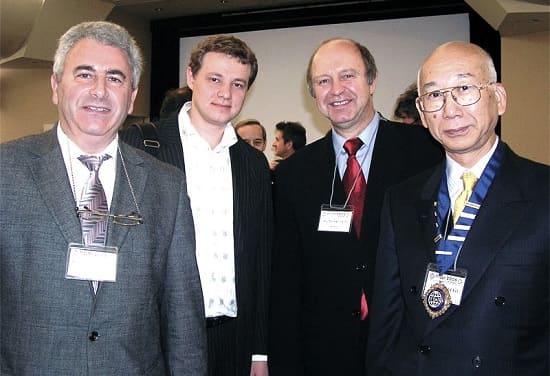
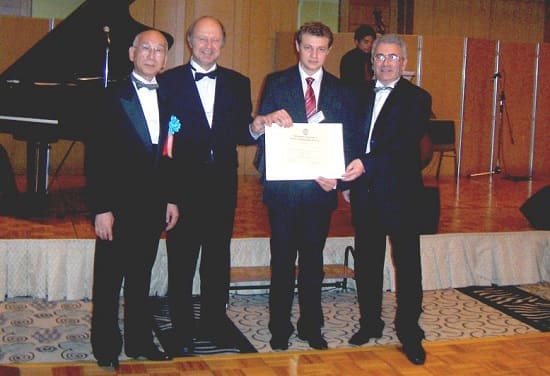
Неожиданным и приятным сюрпризом стало присуждение научным комитетом конгресса международной премии за лучший научный доклад сотрудникам МГМСУ кандидату медицинских наук А. С. Бабикову, доктору биологических наук О. Н. Московцу и профессору С. А. Рабиновичу.
Доклад российских ученых был посвящен возможностям повышения эффективности местной анестезии в стоматологии путем совершенствования техники введения анестезирующих растворов.
Тезисы доклада Effect of Mepivacaine Injection Speed on the Anesthetic Effectiveness and Localization / Alexander S. Babikov, Oleg N. Moskovets and Solomon A. Rabinovich, Moscow State University of Medicine and Dentistry, Russia.
Aim. To study the effectiveness of local anesthesia with Mepivacaine at different injection speed.
Methods.30 patients aged 18–32 without somatic diseases took part in the study. We used two speeds (0,03 ml/sec and 0,006 ml/sec) to inject Mepivacaine with automatic syringes to each patient twice. The volume of injected solution was 1,7 ml. Pain control was assessed by the visual analog pain scale and pain threshold of teeth.
Results. The study shows that at the speed of 0,03 ml/sec painless treatment was in 47% of cases and pain threshold increased in 5,5 + 0,7 times during 20 min. At the speed of 0,006 ml/sec painless treatment was in 78% of cases and pain threshold increased in 9,8 + 1,1 times during 40 min after injection. Estimation of anesthetic effect localization shows that reduced sensitivity of only teeth joining an injection area results from low speed.
Discussion and Conclusions. Automatic syringes allow us to use low speeds of Mepivacaine injection and have higher effectiveness and duration of anesthesia.
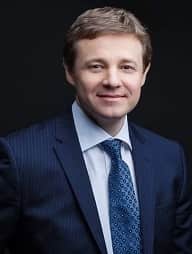
Александр Сергеевич Бабиков:
На данной странице Соломон Абрамович описал посещение Международного стоматологического конгресса IFDAS, который проходил в Японии в 2006 году делегацией кафедры, в которую входил ваш покорный слуга.
На ... конгрессе я получил главный приз и международную премию IFDAS за научные достижения в области обезболивания в стоматологии под руководством профессоров Рабиновича С.А. и Московца О.Н
Как молоды мы были! Не прошло и 20 лет ...
03.04.2025
Кроме выступлений на Конгрессе участниками российской делегации были представлены постерные сообщения:
«Мезофотофорез нейротрофического препарата «Мильгамма» в комплексном лечении пациентов с хроническим генерализованным пародонтитом» — кандидат медицинских наук В. Ф. Прикулс, профессор М. Ю. Герасименко, профессор С. А. Рабинович и Ж. В. Хохлова.
Тезисы доклада «Mesophotophoresis of the Neurotropic Drug ‘‘Milgamma’’ in Complex Treatment of Patients with Chronic Generalized Periodontitis» / Vladislav F. Prikuls, Marina Yu. Gerasimenko, Solomon A. Rabinovich and Zhanna V. Khokhlova, Moscow State University of Medicine и Dentistry and Moscow Regional Research Clinical Institute, Russia.
Aim. To develop and justify a new physicopharmaceutical method which is mesophotophoresis in complex treatment of periodontal patients.
Methods.48 patients with chronic generalized periodontitis (23 with a moderate form and 25 with a severe form) were examined and treated. First the neurotropic drug ‘‘Milgamma’’ (2-3 injections (the dose of each was 0,5-1,7 ml) per one affected area) was introduced intraosseosely into the periodontal tissues within the territory of the trigeminal nerve innervation with left-right interchange of nerve innervation territories. Then each area was exposed to the beams of a 5-6 mW power semiconductor laser with pulse sequence having frequency of 1,5-4,0 kHz and exposure of 2-3 mm for one area and after that we applied the same drug (in its gel form) to the whole alveolar ridge (5-8 procedures in the whole).
Results. The remission lasted 12 months in 97,5% of cases of moderate periodontitis and 93,7% of cases of severe periodontitis.
Discussion and Conclusions. A persistent antiinflammatory and normalizing local microcirculation effect is obvious.
«Болевая чувствительность и выбор обезболивания у амбулаторных больных с сахарным диабетом» — доктор О. С. Ефремов, доктор биологических наук О. Н. Московец, кандидат психологических наук Н. А. Демина, профессор С. А. Рабинович и доцент Е. В. Зорян.
Тезисы доклада Pain Sensitivity and Choice of Pain Control in Out-Patients with Diabetes Mellitus / Oleg S. Efremov, Oleg N. Moskovets, Solomon A. Rabinovich, Nadezhda A. Demina and Elena V. Zoryan, Moscow State University of Medicine and Dentistry, Russia.
Aim. To justify the choice of pain control in out-patients with diabetes mellitus Type 1 (DM1) and Type 2 (DM2).
Methods. 12 patients aged 22-58 took part in the study. We used local anesthesia with 4% solution of articaine with epinephrine 1:200000 and midazolam (7,5 mg per os) 20 min before intervention. The glucose level in the blood was determined by the One Touch Basic express method. Pain sensitivity was estimated by the pain threshold (PT) of a gum. The study was carried out twice before the intervention (1-7 days and several minutes), after premedication and after treatment.
Results. Before treatment PT was lower in DM1 patients than in DM2 ones. PT of DM1 did not change but PT of DM2 increased under the influence preoperational stress. Under the influence of premedication PT of DM1 increased but PT of DM2 reduced. After the treatment PT of DM1 restored but PT of DM2 were still low. The glucose level in DM1 did not change and in DM2 was decreasing.
Discussions and Conclusions. Patients with DM need different types of anesthesia. It is reasonable to use lower doses of midazolam for DM2.
«Динамика чувствительности и периферического кровотока зубов при ортопедическом лечении керамическими винирами с применением интрасептальной и инфильтрационной анестезии» — кандидат медицинских наук Л. А. Куропатова, доктор биологических наук О. Н. Московец, профессор С. А. Рабинович и профессор И. Ю. Лебеденко
Тезисы доклада Dynamics of Sensitivity and Peripheral Blood Flow in Prosthetic Treatment with Ceramic Veneers under Intraseptal and Inftltration Anesthesia / Lidiya A. Kuropatova, Oleg N. Moskovets, Solomon A. Rabinovich, and Igor Yu. Lebedenko; Moscow State University of Medicine and Dentistry, Russia.
Aim. The dynamics of return of sensitivity and peripheral blood flow in treatment with ceramic veneers under intraseptal (ISA) and infiltration (IFA) anesthesia.
Methods. 20 patients aged 16–30 took part in the study. 4% articaine solution with epinephrine 1:100,000 was used for ISA or IFA (0.5 ml) during preparation. We assessed pain threshold (PT) and the pulp blood flow by means of reography.
Results. At the stage of prosthetics PT dynamics is different depending on a local anesthetic method: PT decreased after ISA, but it was increased after IFA. PT return was in 30 days after ISA and in 7–10 days after IFA. The study of PT shows that blood flow in the pulp is more affected in the ISA than in the IFA. The ISA demonstrates the cut of circulation intensity in 3.3 times in 60 min compared to the IFA. There is a circulation return in 14–17 days after preparation in the former case compared to 7–10 days in the latter one.
Discussions and Conclusions. Veneer prosthetics raises reversible changes of pulp sensitivity and blood flow regardless of local anesthesia. The ISA leads to more functional disorders than the IFA.
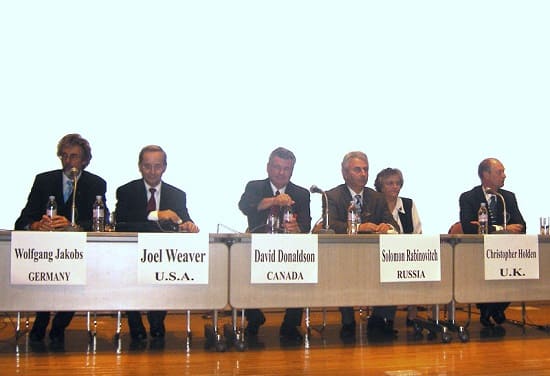
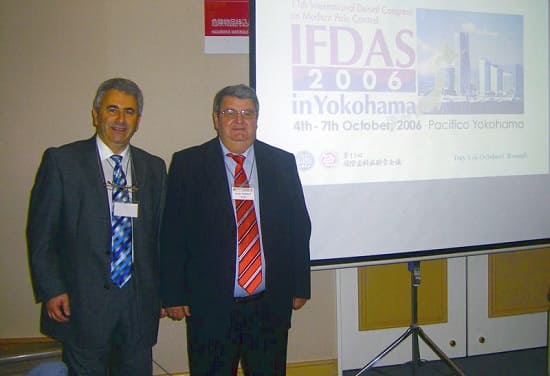
Поскольку Конгресс проходил в Йокогаме и принимающей стороной выступало Японское Стоматологическое Общество Анестезиологии (JDSA), с большинством докладов и сообщений выступали представители Японии. Однако, было приятно познакомиться с докладами наших старых друзей: Вольфганга Якобса, Райнера Ранна и Моники Даублаендер (Германия), Джона Ягелла, Джозефа Гриффина и Стенли Маламеда (США), Татсуа Ичинохе (Япония) по актуальным вопросам обезболивания в стоматологии и обсудить их.
Тезисы выступлений наших зарубежных коллег:
Dental Anesthesia with Articaine + 1:400,000 Epinephrine / Rainer Rahn and Wolfgang Jakobs, IZI Speicher, Germany
Articaine is the most commonly used local anesthetic in dentistry in Germany. Commercial preparation for dental use is a 4% solution with epinephrine 1:100,000 or 1:200,000. In spite of the low concentration of epinephrine, reduction of epinephrine concentration may be useful in cardiac patients to minimize the risk of systemic complications.
In clinical studies, local anesthetic efficacy and serum levels of articaine with 1:400,000 epinephrine were evaluated in dental patients resp. volunteers compared to commercial preparations of articaine resp. lidocaine (both with epinephrine) resp. mepivacaine.
Complete anesthesia was in the same range when articaine was used, irrespective of the epinephrine con centration, but higher compared to lidocaine. Peak serum levels of articaine were irrespective of epinephrine concentration and in the same range compared to lidocaine, while metabolism of articaine was much more faster than of lidocaine, tO.5 was about 20 min (articaine) resp. 100 mm (lidocaine).
It is concluded, that 4% articaine with 1:400,000 epinephrine is as effective for dental anesthesia as 4% articaine with 1:200,000 or 1:100,000 epinephrine, but more effective than lidocaine. Safety of articaine is higher compared to lidocaine due to fast metabolism. Articaine with 1:400,000 epinephrine is effective for dental anesthesia and has a high level of safety due to low concentration of the vasoconstrictor. This preparation is useful for dental patients suffering from cardiovascular diseases.
Pharmacokinetic Parameters After Repeated Submucosal Injection of Articaine and Lidocaine with Epinephrine — results of a Clinical Study / Wolfgang Alfons Jakobs, Rainer Rahn, Klaus Richter, and A. Beliger; Privatklinik fur zahnaztliche Implantologie und asthetische Zahnheilkunde—IZI, ZZMK University of Frankfurt, and Institut fur klinische Pharmakologie University of Dresden, Germany.
Introduction. Articaine and Lidocaine are commonly used local anesthetics in dentistry. Artic. contains an ester group and is hydrolysed by plasmacholinesterases. The metabolism of Artic. is much faster than the metabolism of Lidoc., half-time (t1/2) is about 20 min. Pharmacokinetic parameters, peak serum levels, rate of metabolism determine the risk of systemic toxic reactions of LA., especially when higher doses are given.
Methods. 14 healthy volunteers (male: 7; female: 7; age: 18–50 years; body-weight 50–90 kg) were enrolled in an intra-individual cross-over study. Submucosal injection of 3 × 80 mg Artic. 4% and Lidoc. (epinephrine 1:200.000) was performed every 20 minutes. Blood- samples were taken before LA. was performed and 5, 10, 15, 20, 25, 30, 35, 40, 45, 50, 55, 60 and 90 mm after the injection (Lidoc. 120 and 180 mm). Serum-concentrations of Artic., the metabolite articainic acid and the Lidoc.-concentrations were measured using HPLC-chromatography.
Results. Mean values of the maximum serum-concentration were 0.87 mg/L (A) and 0.88 mg/L (L) (p > 0.05), time of the maximum serum concentration (t-max) was 54 min in the Artic.-group and 71 min in the Lidoc.-group (p < 0.01). Mean AUC (0–90 min) was 216.8 in the Artic.-group and 50.1 after injection of Lidoc. (p < 0.001).
Discussion.After repeated injections of Artic. and Lidoc. (3 × 80 mg) serum levels of Artic. decrease significantly faster than Lidoc. The use of Artic. is safer, if repeated dosages are given.
Relative Efftcacy and Safety of the P-ASA and AMSA Injections / John A. Yagiela, Christine L. Quinn, Amita Rastogi, Reuben Turner, and Lenny W. Naftalin; UCLA School of Dentistry, USA.
We compared, using a random, balanced, crossover design, the efficacy and safety of (1) the P-ASA injection versus labial infiltration over the lateral incisor and (2) the AMSA injection versus buccal infiltration over the first premolar in 60 healthy volunteers.
All injections were made with the Wand (Milestone Scientific) at the slow setting using 2% lidocaine with 1:100,000 epinephrine (1.5 mL). Electric pulp testing was performed on the ipsilateral canine and incisor teeth (for the P-ASA and labial injections) or second premolar, canine, and central incisor (for the AMSA and buccal injections) before injection, immediately afterward, and then at 5-min intervals for 30 min and every 10 min thereafter until sensation returned. Pain of needle injection was assessed with a VAS.
Postoperatively, pain and adverse events were recorded for 2 days. Onset of anesthesia was the quickest with the P-ASA injection, with onsets varying from 0.5 ± 2.1 min (mean ± SE) for the central and 2.7 ± 6.0 min for the canine, and the slowest after the AMSA injection, ranging from 6.8 ± 13.0 min for the second premolar to 12.1 ± 11.3 min for the central. Mean durations of anesthesia were in the 30 to 45 min range. Efficacies varied considerably by tooth and injection. Needle insertion was significantly more painful with the P-ASA and AMSA injections than with their comparators.
Postoperative events were also more frequently associated with the palatal injections, with the P-ASA injection causing pain, numbness, and/or swelling in 42% of subjects versus only 4% with the labial injection. These results suggest the P-ASA and AMSA injections are not generally preferable to standard techniques.
Statistical Analysis of a Pilot Study of Temporary Amnesia due to Midazaloam using a Short Memory Quiz (SMQ) / Joseph W. Griffin, Harvard School of Dental Medicine, USA
A non-randomized controlled observational pilot study was designed to administer, test and validate an instrument, a Short Memory Quiz, (SMQ), developed to detect short term amnesia in patients given sedative drugs. The instrument consists of six items with a possible score of 30.
70 subjects, 35 who were in the control group, had the administration of the SMQ three times. An External Grouping Variable of 50 subjects was created to do a validation test of the instrument with both the SMQ and the MMSE being administered.
SAS Version 8.2 was used for the analysis. Reliability and Construct Validity was determined using Correlation Analysis, Factor Analysis, and a Scree Plot. The level of effect was determined using Longitudinal Analysis of repeated measures.
A t-test was used to detect the difference between the SMQ and the MMSE. Cronbach Alpha was .88 and .90 with one item removed. Factor Analysis revealed most of the loading was on one Principle Component, memory.
Longitudinal Analysis detected significant differences in the mean scores between the treatment group and the controls with a score of 23 out 30 indicating amnesia. A standard t-test of differences in the External Grouping variable resulted in no difference between the SMQ and the MMSE with a p = 0.52 further validating the SMQ.
This instrument appears to have reliability and validity based on this pilot study. It is small enough to have utility. However, there needs to be a larger study in different clinical environments with larger numbers including many different raters.
Evaluation of Dental Local Anaesthesia by the Dentist / Monika Daublaender, Iris Maneck, Stanley Malamed, and Mark Hochman; Dental Clinic University of Mainz, Germany, University of Southern California, and 3New York University, USA
Aim. This study focuses attention on dentists’ personal experiences considering assessment, knowledge and their patients’ reactions to local anaesthesia comparing Germany versus USA.
Methods. 130 German (G) and 31 American (A) dentists were studied attending courses on dental local anaesthesia. They were asked to complete a questionnaire of 26 free and closed questions anonymously.
Results. 52 female and 94 male with ages from 26 to 67 years (median 45 years) and medical registration from 1969 to 2005 (median 1988) responded. Nearly all feel absolutely secure in carrying out local anaesthesia. 61,1% of all G and 90,3% of all A think that patients overreact receiving an injection. About two-third of the G and 100% of the A participants believe to be able to give painless injections. 76% of the A dentists use topical anaesthesia prior to every injection, whereas G use it in less than 20%. The majority of 96,5% aspirates during every injection, almost two-third of all participants aspirates in two levels during block anaesthesia. One-third of all dentists prefer to be treated always under local anaesthesia themselves. In Germany 50% recommend their patients starting treatment without anaesthesia and inject by arising pain, whereas 81% of all A advise treatment always under local anaesthesia.
Discussion and Conclusions.These results outline that there are certain differences in the perception of pain between the dentist and the patient and also between the dentists in both countries. Safety is an important concern in Germany and the US.
Monitored Anesthesia Care (MAC) for Medically Compromised Patients in a Dental Outpatient Clinic / Tatsuya Ichinohe, DDS, PhD, Professor, Tokyo Dental College, Japan.
Moderate sedation/analgesia (conscious sedation) is widely applied to medically compromised, disabled or phobic patients in many dental hospitals or some dental offices in Japan. Intravenous administration of midazolam or propofol combined with local anesthesia is a standard regimen of moderate sedation for the dental procedures of these patients. The main purpose of conscious sedation is to allay patient anxiety. Drug-induced depression of a patient’s level of consciousness provides patient comfort and cooperation during procedures. Dentists providing moderate sedation must be qualified to recognize deep sedation, manage its consequences and adjust the level of sedation to a moderate or lesser level. For this purpose, the continual assessment of the effects of sedatives on the level of consciousness and on cardiac and respiratory function is essential. Dentists who have trained in a program for conscious sedation, with or without their qualification of Japanese Board of Dental Anesthesiology (JBDA), are giving conscious sedation in Japan.
Monitored anesthesia care is clearly distinguished from conscious sedation. Monitored anesthesia care includes varying level of sedation, analgesia, and anxiolysis using various combinations of sedatives, analgesics, hypnotics, anesthetic agents or other medications under adequate monitoring of the patient. Patient’s level of consciousness is sometimes induced to be severely depressed and patients may become unconscious when necessary. Accordingly, deep sedation or general anesthesia is one of corollaries during monitored anesthesia care. Dentists providing monitored anesthesia care must be prepared and qualified to convert to general anesthesia when necessary. Therefore, monitored anesthesia care should be provided by dentists qualified with JBDA or more trained personnel.
In medically compromised patients undergoing dental procedures, conscious sedation is a good indication to provide comfort and cooperation as well as stable cardiovascular and respiratory function during procedures. However, in some patients who may require only minimal sedation, monitored anesthesia care is indicated because even small doses of medications could provoke adverse responses that would necessitate acute interventions including resuscitation. This is based on the situation of medically compromised patients: relatively aged, having various systemic diseases and receiving many kinds of medications. Therefore, even when dentists intended to provide conscious sedation to medically compromised patients, they should prepare equipment and drugs for resuscitation that would be needed just like as in monitored anesthesia care.
In our outpatient clinic, more than 1600 cases are treated under intravenous sedation each year. About one third to one fourth of those are medically compromised patients. Diseases include hypertension, ischemic heart disease, heart failure, chronic obstructive pulmonary disease, respiratory failure and others. Most of them received conscious sedation, while few received deep sedation. All cases are given under the arrangement of equipment and drugs for resuscitation that would be needed. Based on this condition, we have not experienced severe or critical complications during and after intravenous sedation until now. I believe all intravenous sedation should be provided under the condition same as monitored anesthesia care even if the targeted level of sedation would be minimal. From this standpoint, one of the important roles of Japanese Dental Society of Anesthesiology is to keep cultivating dentist anesthesiologists, especially board-certified members, to provide safe and comfortable dentistry.
Кроме устных докладов и постерных сообщений в материалах 11-го Конгресса IFDAS опубликованы тезисы научных работ от Российской группы IFDAS и EFAAD. Публикуя их здесь, мы хотим показать тематику актуальных вопросов обезболивания в стоматологии, над которыми работали российские учёные и специалисты в начале века.
Тезисы научных работ российских учёных из материалов 11-го Конгресса IFDAS, опубликованные в официальном журнале IFDAS Anesthesia Progress 2007, 54:
Specific Stress Response of Cardiovascular System of Infants with Various Types of Personal Alertness During Dental Treatment / Alexander V. Lepilin and Larisa N. Kazakova, Saratov State Medical University, Russia.
Aim. The defection of specific gemodynamic changes among infants of 7-10 years old with various types of personal alertness before dental procedures.
Methods.Study of 60 infants 7-10 years old. Depending on index of alertness (IA) [Method of Temple, Dorki, Amen] all patients were divided info 4 groups: the active group included 12 infants with IA < 5%, the hyperactive group (5 < IA < 20%) 18 infants, the alert (20 < IA < 50%) and autistic (IA < 50%) groups 15 patients each. Cardiovascular performance estimation was based on blood pressure (Korotkov’s method) and heart rate alterations. All tested parameters were compared to the control groups of healthy infants in no stress conditions.
Results. The decrease of blood pressure and heart rate by 40% against the control group was demonstrated by patients with IA .50 during dental procedures. The active (IA < 5%) and alert (20 < IA < 50%) groups were characterized by a 25% increase of pressure and heart rate comparing to the control values, hyperactive patients by a 30% increase accordingly.
Discussion and conclusions. Research demonstrated the dependence of cardiovascular response to dental treatment on personal alertness of patients. Autistic infants showed vagotonic reaction. Cardiovascular performance of the other studied patients was regarded as normal. It is recommended for infants considering personal alertness of the patient evaluated by index of alertness before any dental procedure.
Dentists’ Contribution to The Development of Surgical Anesthesia / Pavel Yu. Stolyarenko and Igor M. Fedyaev, Samara State Medical University, Russia.
Aim. To study the role of dentists in the development of surgical anesthesia.
Methods.Archive papers, scientific articles, congresses materials, private correspondence with medical historians, museums, and experts in the field of anesthesia.
Results. The role of such dentists as J. Riggs, W. Morton, N. Keep, E. Pope, B. Richardson, A. Witzel, Z. Howe, J. Carmichael, Ch. Nash, E. Raymond, H. Carlson, E. Meller, P. Taubkin, G. Fischer, J. Bercher in the development of anesthesiology, surgery and stomatology has been determined and defined.
Discussion and conclusions. Unfortunately, diseases and pain have been always pursuing people. Since ancient times the mankind has dreamed to get rid of pain. In the Pushkin times surgical operations and treatment of teeth were performed without anesthesia in modern sense. Absence of anesthesia became an obstacle in the development of surgery. Surgeons, not dentists, were the pioneers of modern anesthesiology. It is they who discovered narcosis. They also made a significant input in the development of local anesthesia. Certainly, such surgeons as S. Hanaoka, C. Long, W. Halstead, R. Hall, C. Schleich, P. Reclus, H. Braun, A. Vishnevskiy etc. also contributed to the development of local and general anesthesia.
Aftercare of Patients with Painful Syndroms / Solomon A. Rabinovich, Tatyana V. Sukhova, Galina G. Taptunova, Igor A. Zinov’ev and Svetlana G. Novikova, Moscow State University of Medicine and Dentistry, Russia
Aim. Aftercare of patients with acute and chronic painful syndromes and functional disorders after dental interventions.
Methods.Traditional and advanced Chinese, Japanese, Korean medicine; authorings (classical acupuncture; Su Jok Therapy), homeopathy.
Results. For 20 years more than 10,000 patients with painful syndromes, complications and diseases of the temporomandibular joint (TMJ), mucous membrane, musculoskeletal system and the connective tissue of the maxillofacial area, painful syndromes of unidentified etiology (with previous diagnostics) have got treatment and consultations. We have developed and put into clinical practice new scientific-practice fields linked with aftercare of patients with such nosologies as neuropathy of facial and trigeminal nerves; odontogenic osteomyelitis; locked jaw; in case of the excess of filling material behind the apex; after traumatic extractions; periosteotomy, cystectomy, odontogenic antritis, one-time oral cavity sanation with removal of tooth pulp and extraction of teeth, in case of alveolitis, alveoneuritis, painful syndrome of TMJ dysfunction.
Conclusions. Necessity to apply reflexotherapy in all stages of treatment to increase aftercare opportunities for a human, cut drug taking, facilitate an aftercare period, prevent complications, cut their number.
Dental Ambulatory AneStheSia in Infantile Cerebral PalSy PatientS / Solomon A. Rabinovich, Maxim V. Lukianov, Larisa A. Zavidolenko and Irma G. Bobrinskaya, Moscow State University of Medicine and Dentistry, Russia.
Aim. Choice and rationale of anaesthetic approach to individuals with infantile cerebral palsy.
Methods.46 ambulatory dental patients with ASA II — III, wasrandomly allocated in 2 groups. Group A (n = 22) received halothane and N2O/O2 = 2/1. Group B (n = 24) received propofol with N2O/O2 = 2/1. Both groups received standard infiltration anaesthesia with Ultracaine-DS and spontaneous breathing by laryngeal mask. Clinical studies (BP, heart rate, SpO2, frequency of breath and tidal volume) were analyzed: before and after induction, the most traumatic stage, after anaesthesia and surgical intervention. Recovery period was evaluated by Bidway test and statistically analysed.
Results. The more prolong induction in group A (p < 0.05) was accompanied by mild hypotension -less10% of basic level (p < 0.05), decreased tidal volume (p < 0.05) and tachypnea. Restlessness and airway irritation were observed during induction.The recovery period was significantly longer in group A (p < 0.05), particular with somnolence, dizziness and diplopia. Spontaneous ventilation was effective in both groups (SpO2 — 97-99%).
Conclusions. The propofol based anaesthesia with N2O/O2 in combination with articain based infiltration provided shorter induction and recovery time and was more appropriate for individuals with infantile cerebral palsy on different anaesthesia stages.
Application of Computer Knowledge Control in Postgraduate Dental Education / Sergey T. Sokhov, Moscow State University of Medicine and Dentistry, Russia
Aim.Development of computer controlling and training programs in postgraduate dental education.
Methods.Computer training and controlling programs for dentists on every basic section of anesthesia and first aid.
Results. Controlling and training programs on methods of local anesthesia, tools for local anesthesia (including computer syringes and pharmacological preparations used in local anesthesia), complications of local anesthesia, prevention and treatment of urgent cases in dental patients have been developed. We use computer programs in block-modular dental training for all specialties (therapeutic, prosthetic, pediatric dentistry and oral surgery) in all postgraduate programs. Over 5000 tests and more than 80 problem-solving examples and business games have been prepared.
Discussion and conclusions. Computer controlling and training programs help to learn modern methods of local anesthesia and first aid more quickly and make prompt and right decisions in standard and non-standard situations.
Effectiveness of Using Nerve Block Techniques on the Bottom Jaw / Solomon A. Rabinovich and Sergey T. Sokhov, Moscow State University of Medicine and Dentistry, Russia
Aim.To assess the use of nerve block anesthetic techniques on the bottom jaw by means of Egorov and Gow Gates’ methods.
Methods.We investigated pain thresholds, somatosensory evoked potentials, central and peripheral gemodynamics, and clinical effectiveness of nerve blocks in 320 patients.
Results. In Egorov’s case spatium pterygomandibulare is filled up with the solution from the bottom pole to the top one, in the Gow-Gates block-from the top pole to the bottom one accordingly. The number of complications is lower while effectiveness is higher than in other techniques, especially in case of inflammation. The weakness of the Gow-Gates technique is complex individual reference points. The aim is achieved by combination of fingers of the left hand after the attitude to the bottom jaw. The anatomic arrangement at which the target item is in immediate proximity to the inferior alveolar nerve is reached through forming the certain position of the bottom jaw and injecting.
Discussion and conclusions. The comparative assessment of anesthetic techniques for inferior alveolar nerve using Egorov and Gow-Gates’ methods with updating has shown their effectiveness and safety especially in pain control of the inflamed tissues.
Comparison of Ketoprofen and Tramadol/Acetaminophen Effectiveness in Patients with Dental Pain / Elena V. Zoryan and Solomon A. Rabinovich, Moscow State University of Medicine and Dentistry, Russia
Aim.We studied the analgesic effectiveness of the nonsteroid antiinflammatory drug Ketoprofen and combined centrally acting analgetic Tramadol/Acetaminophen (Zaldiar).
Methods.29 patients aged 17-60 years received Ketoprofen and 16 patients aged 21-64 years used Tramadol/Acetaminophen to treat the acute pain syndrome after surgery or endodontic interventions. The effectiveness of the drugs was estimated by means a special pain scale. The daily dose of Ketoprofen was 100 mg 3times daily,Tramadol/Acetaminophen – 2-5 tablets.
Results. The clinical investigation showed that Ketoprofen demonstrated more successful analgesia for inflammatory pain and edema. Tramadol/Acetaminophen was more effective for traumatic pain. The patients did not record any adverse effects during this treatment. There were no adequate effects of Ketoprofen in three cases of severe traumatic pain. Tramadol/Acetaminophen showed no adequate analgesia in one case of inflammatory pain.
Discussion and conclusions. This study suggests that both kinds of treatment provide safe pain relief but routine use of Ketoprofen is not always successful in removing traumatic dental pain. Tramadol/Acetaminophen is more useful for relieving the dental pain associated with severe tissue injures. Thus the choice of analgetics and their doses must be individual for each patient according to the cause of pain syndrome.
Psycological Aspects of Patients with Trigeminal Neuropaty / Solomon A. Rabinovich, Tatyana V. Sukhova, Galina G. Taptunova and Svetlana G. Novikova, Moscow State University of Medicine and Dentistry, Russia
Trigeminal neuropathy (TN) into the maxillofacial area is characterized with constant exhausting pains breaching a patient’s somatic and psychological condition.
Aim.To study the dynamics of psychological aspects in patients with TN and aftercare by means of reflexotherapy (RT).
Methods.The psychometric tests: Spielberger StateTrait Anxiety Inventory, Beck Depression Inventory, MMPI, visual-analog pain scale (VAS), Lusher test, traditional, advanced RT methods and authorings.
Results. We studied the psychological status of 36 patients (8 male and 28 female - average age 43) with TN and 15 patients in a control group (matched for age). Significantly low sense, activity, mood levels and significantly higher stress, pain (VAS), depression, state and trait anxiety levels were found in the TN patients compared with those in the control group correlating with long disease. After RT the condition of patients with TN significantly improved. Results of psychological tests in TN group were close to those in the control group.
Conclusions. Analysis of psychological tests is helpful for dentists to deepen the idea of the structure of subjective sensations in facial pain. After RT the patients felt much better.
Deep Sedation for Dental Treatment in Municipal Dentistry Clinic / Victor A. Buravtsev, Pavel I. Spitsyn, Vladimir M. Egorov, and Irma K. Kanina; Ural Medical Academy, Regional Center of Dentistry Anesthesia in Ural Region, and Ural Redactory, Russia
Introduction. The purpose of this study was to compare the effectiveness of two methods of deep intravenous sedations, propofol + midazolam + fentanyl and propofol + ketamine.
Materials and Methods. Seventy-four patients who were scheduled to receive dental treatment under intravenous sedation participated. The patients ranged in age from 18 to 63 years (mean age, 34 years) and were randomly assigned to receive a dose of propofol 2 mg/ kg/hr and ketamine 0.25 mg/kg/hr (control group) or propofol 2 mg/kg/hr + midazolam 0.03 mg/kg/hr + fentanyl 0.25 mg/kg/hr. The sedation level, movement, and HR, BP, RR, SpO2, recovery time were evaluated.
Results. Both methods were found to be statistically equal.
Conclusions. Propofol with ketamine proved to be an appropriate agent for sedation in the extremely anxious patients. The depth of sedation is easily and rapidly controlled by the rate of the infusion. The recovery was rapid, the patients were clear headed and devoid of any early and late postoperative sequelae.
Laryngeal Mask Use in Outpatient Dental Surgery / Larisa A. Zavodilenko, Maxim V. Lukianov, Solomon A. Rabinovich and Irma G. Bobrinskaya, Moscow State University of Medicine and Dentistry, Russia
Aim.To compare airway potency with laryngeal mask (LM) and intranasal airway (IA) during outpatient dental surgery.
Methods.A group of 47 patients with ASA II - III, 17- 36 y.o., was randomly allocated in 2 groups. The patients in Group A (n = 24) with LM and in group B (n = 23) with IA suffered from stomatofobia and low pain threshold. There was induction with propofol 2,0-2,5 mg/kg; maintenance N2O/O2 = 2/1 with propofol infusion 3,1 ± 0,8 mg/kg/h. Both groups received articain (4%) infiltration with epinephrine 1:200000.
Results. LM was successfully placed after first attempt in 98% cases. Face malformation did not facilitate LM insertion but was the first choice. LM tolerability was satisfactory and did not demand anaesthesia depth. There were no ventilatory or gas exchange complications. Spontaneous ventilation was 1860,1 breath per mm, SpO2 98-100%. The group B was more demanding and time consuming, because IA placing and fixing. Spontaneous ventilation was adequate SpO2 98-100% but with mild tachypnea 23 ± 0,3 breath per min. Occasionally backwards jaw migration blocked airway potency and caused episodes of desaturation. IA did not provide prophylactic of aspiration.
Conclusions. LM demands less time for proper placement, less traumatic, prevent possible translocations of the soft tissues, provide better airway potency and ventilatory control.
The Alternative Medication for Sedation in Dentistry / Elena V. Zolyan, Evgenia N. Anisimova, and Konstantin G. Gurevich; Moscow State University of Medicine and Dentistry, Russia
Aim.The objective of this study was to evaluate the stress-protective effectiveness and safety of homeopathic Epinephrine in C6, C12, or C30 potency used in outpatient dental practice.
Methods.110 patients aged 16–65 years with a high level of personal anxiety were divided into three groups and received 5–10 sublingual granules of one of the ho- meopathic preparations: Epinephrine 6 CH, Epinephrine 12 CH or Epinephrine 30 CH. The control group (16 patients) received Relanium (0,2–0,3 mg/kg per os). The effectiveness of these preparations was estimated clinically and through testing catecholamine (CA) levels in saliva using HPLC with electrochemical detector before treatment and 30 minutes after it.
Results.All preparations were useful for inhibiting hemodynamic excitatory action of psychoemotional stress. Homeopathic preparations of Epinephrine normalized the levels of CA. Epinephrine 30 CH was more active. Relanium depressed the levels of CA. The patients received the homeopathic Epinephrine showed no adverse effect during this treatment.
Discussion and Conclusions. The clinical investigation showed clinical effectiveness and safety of various potencies homeopathic Epinephrine, especially Epinephrine 30 CH. This method can be used as alternative to conventional sedation in outpatient dental practice.

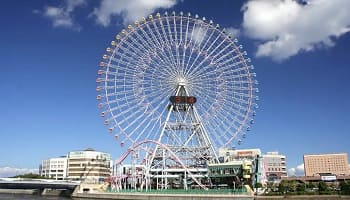





За рамками Конгресса особенно нам запомнилась непривычная, но вкусная кухня. Впервые ел палочками! ...



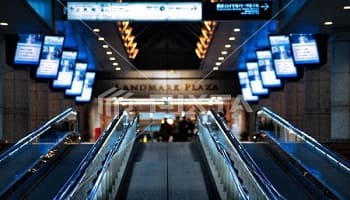
... Еще мы очень удивились движущимся тротуарам на улицах Йокогамы – необычная картина!



В следующей, 6-й главе я расскажу об участии представительной делегации российских специалистов в Европейском конгрессе EFAAD по обезболиванию в стоматологии в марте 2008 года, Герцлия Израиль.
Связанные публикации в профессиональных научных изданиях:

Сентябрь 22-23 2005. Москва, Россия.

Март 27-28, 2008. Иерусалим - Герцлия, Израиль.
